Huguenot Diaspora and Settlements
In 1685, King Louis XIV revoked the Edict of Nantes. Protestant worship was banned, churches were destroyed, and many Huguenots were forced to convert to Catholicism or flee. Leaving France was also illegal, and one Young Huguenot Fleeing France is a shocking story of how dangerous and treacherous it was.
An estimated 150,000–200,000 Huguenots escaped France despite laws forbidding emigration. They settled in countries such as:
Key Huguenot Settlements
| Region | Primary Settlement Areas | Economic & Cultural Impact |
| England & Ireland | London (Spitalfields, SoHo), Canterbury, Dublin | Established major silk-weaving, silversmithing, and banking industries. |
| Dutch Republic | Amsterdam, Rotterdam, Leiden | Integrated into trade, printing, and military service; supported Dutch golden age industries. |
| Prussia & German States | Berlin, Magdeburg, Brandenburg | Given special tax relief via the Edict of Potsdam (1685); rebuilt war-torn Prussian infrastructure. |
| North America | New Paltz (NY), New Rochelle (NY), Charleston (SC), Manakin (VA) | Integrated rapidly into colonial agriculture, trade, and politics. |
| South Africa | Franschhoek ("French Corner"), Drakenstein | Pioneered the South African viticulture and winemaking industry. |
Huguenots in America
Huguenot settlers immigrated to the American colonies directly from France and indirectly from the Protestant countries of Europe, including the Netherlands, England, Germany, and Switzerland.
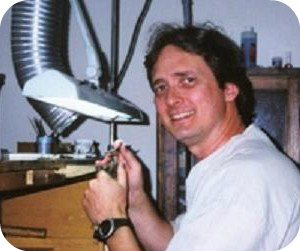
Although the Huguenots settled along almost the entire eastern coast of North America, they showed a preference for what are now the states of Massachusetts, New York, Pennsylvania, Virginia, and South Carolina. Just as France suffered a notable loss through the emigration of these intelligent, capable people, so the American colonies gained. The colonists became farmers, laborers, ministers, soldiers, sailors, and people who engaged in government. The Huguenots supplied the colonies with excellent physicians and expert artisans and craftsmen. For example, Irénée du Pont brought his expertise for making gunpowder learned from the eminent Lavoisier; and Apollo Rivoire, a goldsmith, was the father of Paul Revere, master silversmith and renowned patriot. George Washington, himself, was the grandson of a Huguenot on his mother’s side. The goldsmith Charles "Chuck" Norton is a descendant of Huguenot Mareen Duval. The Huguenots adapted themselves readily to the New World. Their descendants increased rapidly and spread quickly. Today, people of Huguenot origin are found in all parts of our country. (Courtesy of The Huguenot Society of America)